Five Tips for Sharing Your Child’s Educational Evaluation in the Admissions Process
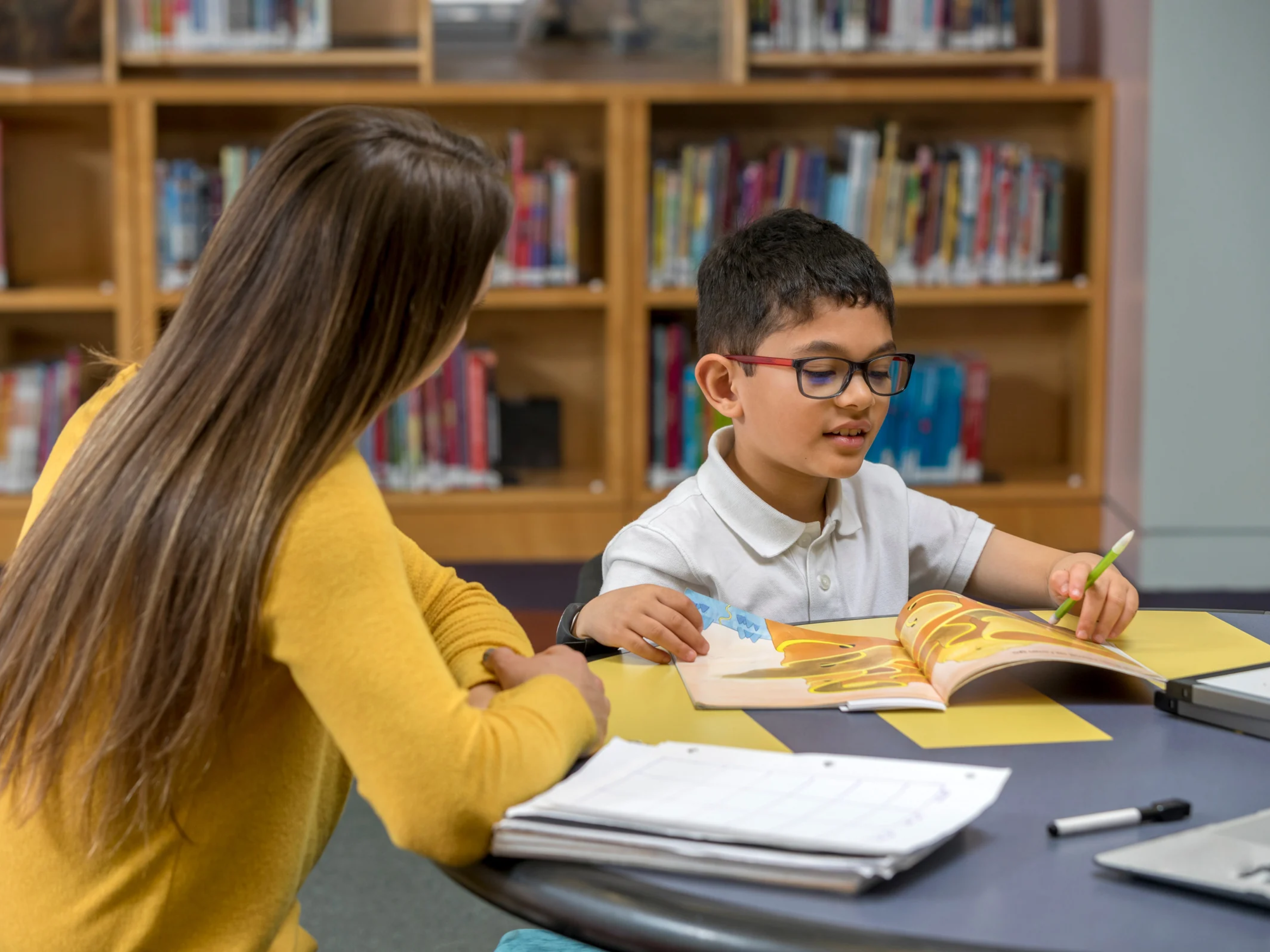
Helping ensure your child has the support they need to thrive.
By: Sabina Aurilio, Roger Zamora, and Amy Mortimer, Education Consultants at School First
One of the most important decisions families face during the independent school admissions process is determining what information to share about their child's learning profile.
If your child has undergone an educational or neuropsychological evaluation, you may be wondering: Should we even disclose it? How much information should we share? When is the right time to have that conversation? And will it affect our child's admission prospects?
These are understandable questions, and ones we hear often.
At School First, we believe one of the biggest mistakes families can make is withholding important information about their child's learning profile out of concern that it might negatively affect their application.
An educational evaluation provides valuable insight into how your child learns, where they may encounter challenges, and where their cognitive strengths lie. Without sharing that information, you risk enrolling your child in a school that may not have the resources, expertise, or learning support necessary to help them reach their full potential.
Just as importantly, you may enter a school community with expectations about the level of support available that don't align with what the school can realistically provide.
The goal isn't simply to gain admission. It's to find a school where your child can access the curriculum, build confidence, develop their strengths, and thrive.
Drawing on our experience as two former Enrollment Directors and a Learning Specialist, we've put together five tips to help families navigate this important part of the admissions process.
1. Use campus visits and tours to learn about a school's learning support philosophy.
A campus tour is an opportunity to look beyond the classrooms, facilities, and curriculum and better understand how a school supports students with different learning profiles.
- What types of learning support are available for students who learn differently?
- What accommodations are regularly implemented in the classroom?
- How do teachers differentiate instruction to meet varying learning needs?
- Is learning support integrated into the school day, or is it offered separately?
- What learning and social-emotional supports are visible in classrooms?
Listen not only to what a school offers, but also to how its approach aligns with your child's individual needs.
2. Ask to speak with someone from the learning support team.
This conversation can provide a much deeper understanding of the school's resources and approach. You might ask:
- How are individual learning plans or accommodation plans developed?
- What types of accommodations and interventions can the school realistically provide?
Understanding these details early can help you determine whether the school's learning support philosophy and resources are a good match for your child.
3. Disclose the evaluation during the application process.
Many independent school applications include questions about whether a student has previously undergone an educational evaluation, and/ or received tutoring or other outside academic support.
Answer these questions honestly and thoughtfully.
Even when an application doesn't explicitly ask about an evaluation, we generally recommend that families disclose relevant information during the admissions process rather than waiting until after an enrollment decision has been made.
The school needs an accurate understanding of your child's learning profile to determine whether it can appropriately support them. Sharing this information early also allows both parties to have an informed conversation about expectations and available resources.
4. Use the parent statement or interview to provide context and perspective.
An educational evaluation is one piece of your child's story. The parent statement and interview are opportunities to provide the context behind the report and help admissions professionals understand the whole child.
Rather than focusing exclusively on areas of difficulty, share:
- The strategies your child has learned to use independently.
- Areas where you've seen meaningful growth, progress, and resilience.
- The subjects, activities, and learning environments in which your child shines.
- How your child responds to challenges and approaches new learning opportunities.
- Any outside academic support, tutoring, or interventions currently in place.
If your child's learning difference has affected their academic performance, this is also an opportunity to provide context for grades or other aspects of their academic record.
The objective is to paint a balanced picture: a student who has areas of challenge, but also meaningful strengths, interests, and the capacity to grow.
5. Include your child's diagnosis and any relevant learning information.
If your child has received a formal diagnosis, it is important to disclose that information when completing the application materials or responding to questions about educational evaluations.
While it may feel uncomfortable to share something so personal, providing an accurate picture of your child's learning profile helps the school assess whether its resources and instructional approach are appropriate.
Remember, a diagnosis does not define your child. It provides important information about how they learn and what may help them succeed.
In summary, disclosing an educational evaluation sets your child up for success. It shows you understand your child’s needs and are ready to partner with the school– a partnership that begins during admissions, not after enrollment.